Exterior Painting in Sudbury, MA: What Factors Influence the Lifespan of Your Exterior House Paint?
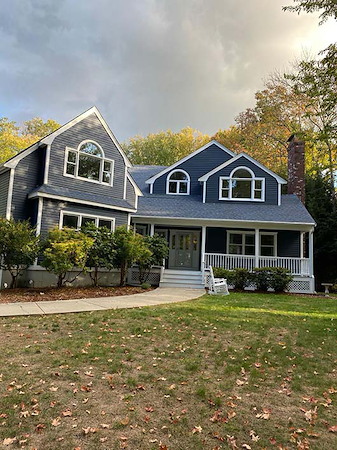
In Sudbury, MA, exterior painting does more than refresh color. It shields your home from snow, summer sun, and the freeze-thaw swings that test every board and seam. If you want a finish that stays smooth and bright for years, it helps to know what really drives paint durability. The right approach starts with products and prep, then accounts for your home’s exposure and materials. To see what a pro-built system looks like, explore our exterior painting process and how it’s tailored to New England weather.
Why Paint Lifespan Varies In Sudbury, MA
Two homes on the same street can age very differently. One sits in full sun along Boston Post Road. Another is tucked beside pines near the Assabet River. Both face Nor’easters, road salt, and humid Julys, but they don’t wear the same. Small differences in wind, shade, and water flow add up over time.
- South and west walls fade and chalk faster because they get the most direct sun.
- Shaded sides stay damp longer after rain or snowmelt, inviting mildew on clapboards and trim.
- Homes near busy routes see salt spray and plow slush that dry out lower courses and skirt boards.
- Ice dams and leaky gutters wet fascia and soffits, which can push paint toward early failure.
Local safety note: Many Greater Boston homes were built before 1978. Older coatings can contain lead. Hire trained professionals who follow containment and cleanup standards to protect your family and neighbors.
Timing matters here. Late spring through early fall typically offers steadier temperatures that help coatings cure the way manufacturers intend.
Your Home’s Materials And How They Age
Every surface takes paint differently. Wood swells and shrinks. Fiber cement is more stable. Masonry moves with temperature swings and needs breathable protection. Understanding your home’s mix helps set realistic expectations.
- Painted wood clapboard and trim look classic around Sudbury’s historic corridors, yet they are sensitive to moisture and sun. Sound primer bonds and careful film build fight hairline cracking.
- Shingles and solid-color stains breathe well. They tend to weather gradually, which can look natural but still needs timely refresh to lock out water.
- Fiber cement holds finish well when primed and sealed at cut edges. Trim and high-splash areas may still need earlier touch-ups.
- Aluminum and vinyl can be coated with the right prep and vinyl-safe colors. Dark choices on sunny walls run hotter and can shorten life.
Big takeaway: coating choice should match the material below it. A strong product on the wrong substrate is still a weak system.
Prep And Application Methods That Improve Durability
Longevity is built long before the first finish coat. Prep is where a job earns its years. Professionals correct problems that paint alone cannot hide and create a surface the coating can bond to for the long haul.
Moisture management is the starting point. Soft or damp wood traps water under new paint and pushes it back out as blisters or peeling. Joints get sealed to control water entry, and failing caulk is replaced so the new film isn’t stretched over gaps it can’t bridge.
Primer compatibility matters too. Tannins in cedar, chalky old paint, and bare end grain each ask for different primers. When each surface gets the chemistry it needs, the topcoat lays smoother and defends better in winter.
Application style plays a role. Back-brushing on rough siding drives product into texture. Even film thickness avoids thin spots that age early along edges and sun-struck boards.
Color, Sheen, And Product Quality
Color choices are about more than curb appeal. Darker tones absorb more heat on bright summer afternoons, which can stress the film on sun-facing walls. Lighter neutrals reduce heat load and often hold their look longer on vinyl or aluminum.
Sheen affects cleanability and water shed. Satin or semi-gloss on trim tends to rinse clean after pollen season and sheds rain better than flat. Higher-grade products resist UV and dirt pickup, which slows fading and chalking.
Pro tip: don’t mix bargain paint with premium expectations. Coatings are not interchangeable, and shortcuts show fastest on sunny or windward elevations.
Exposure Hotspots Around Sudbury Homes
We see patterns repeat across neighborhoods. Open lots near conservation land take wind and winter sun. Tree-lined cul-de-sacs hold shade and moisture. Homes set close to Route 20 handle more splash from passing traffic and plows. Each scenario has predictable wear points:
Skirt boards and the lowest two courses of siding age first where salt and slush collect. Horizontal trim and window sills hold water longer and telegraph early cracks. South- and west-facing peaks fade simplest because UV beats down all summer.
Knowing these hotspots lets a pro plan extra attention, from sealing end grain to building a bit more film on the hard-working sides so your color stays even longer.
Maintenance Between Repaints That Protects Your Timeline
Keeping coatings healthy extends the life of your last project and sets up the next one for success. Seasonal cleaning removes salt, pollen, and mildew spores before they sit all winter. High sections and delicate surfaces are best handled by trained crews who balance cleaning power with coating safety. When buildup returns fast or you see mildew shadows that linger, scheduled pressure washing is a smart move to protect the film.
If you’re weighing timing for your next repaint, this piece on how often to repaint in Massachusetts gives helpful context for local weather, exposure, and siding type.
Watch the signs, not the calendar: dull color that doesn’t brighten after rain, fine cracking on sun-exposed trim, and early flaking at butt joints all mean the shield is thinning and it’s time to schedule a refresh.
When Should You Repaint?
Don’t wait for sheets of paint to fall. The best time to act is just before failure. That avoids deep wood repairs and keeps future coats thin and tidy. A local, walk-around assessment focuses on the sunny elevation, high-splash areas near walks and drives, and any spots that stay damp after storms. Planning work for steady weather windows helps coatings cure fully so they reach their designed lifespan.
Sudbury’s seasons set a practical rhythm: spring and early summer offer mild temperatures and longer days, while early fall can work well before the first hard frost. Project calendars fill quickly after Memorial Day, so early scheduling helps you hit the most reliable stretch.
Why Choosing A Local Pro Pays Off
A professional who paints in MetroWest every week knows where homes fail first and why. That insight turns into smarter prep, better sequencing, and fewer surprises. It also means your color and product choices reflect the exact exposures your home faces, not a one-size-fits-all list.
Ready to build a finish that stands up to Sudbury weather and stays sharp longer? Review what goes into our exterior painting service, then line up a convenient on-site visit. You’ll get clear recommendations on product, sheen, and timing that match your siding, trim, and exposure.
Plan Your Next Step
Your home deserves a coating system that protects as well as it beautifies. Start the conversation with Nicks Pro Painting and we’ll map a simple, durable plan for your siding and trim that fits Sudbury’s climate and your goals. Call us at 508-745-7352 to schedule your assessment.
If you want a quick overview of our team and services, you can learn more about exterior painting in Sudbury, MA and other residential solutions on our home page. When you’re ready, we’ll translate today’s conditions into a finish that lasts and looks great through every season.